Introduction:
To an unknowing party one would picture Greenland as a lush an fertile country full of meadows and forests and tons of critters scampering about, and Iceland as a bleak snow covered winter landscape with hardly any life. However, that image could not be further from the truth. Greenland and Iceland are misnomers. Greenland is anything but green, and for a part of the year, Iceland is very much ice free. These two islands isn’t he North Atlantic are often confused because they share similar characteristics, but have their unique subtle differences.
Location:
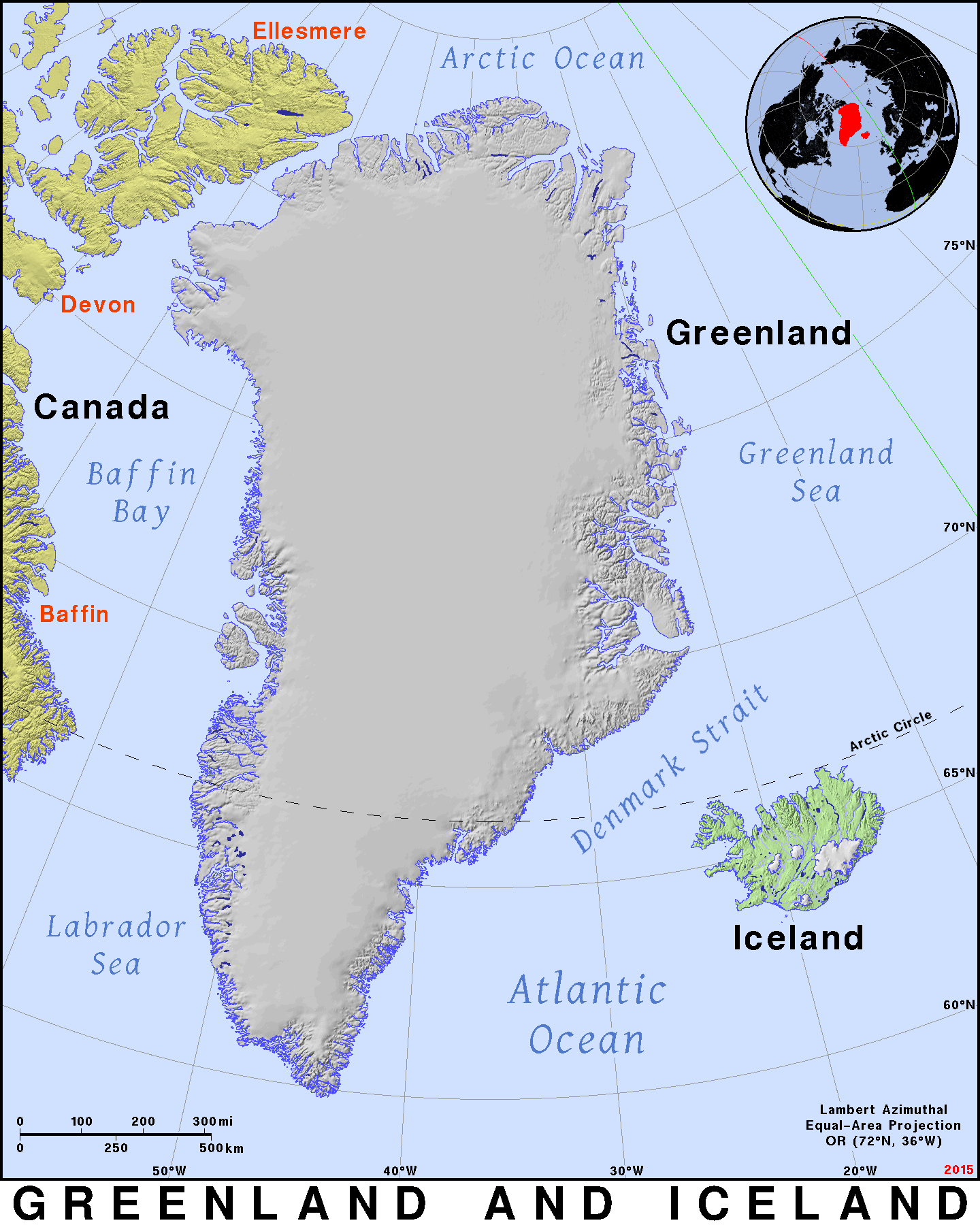
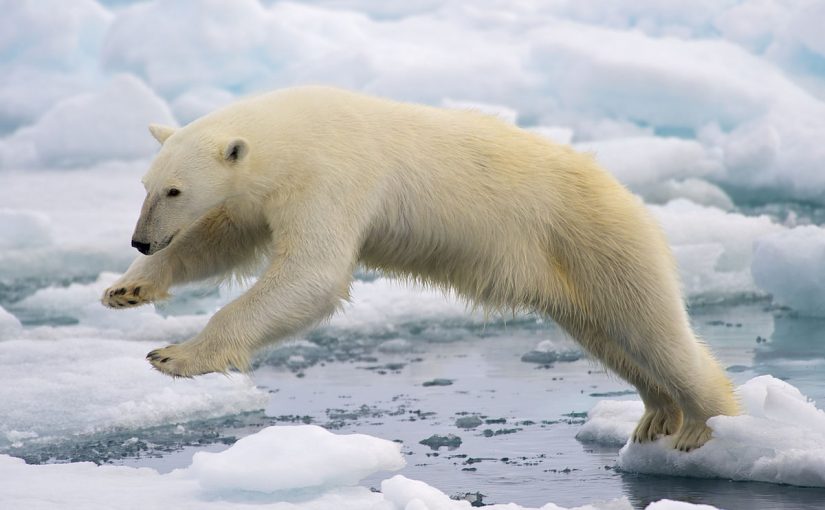
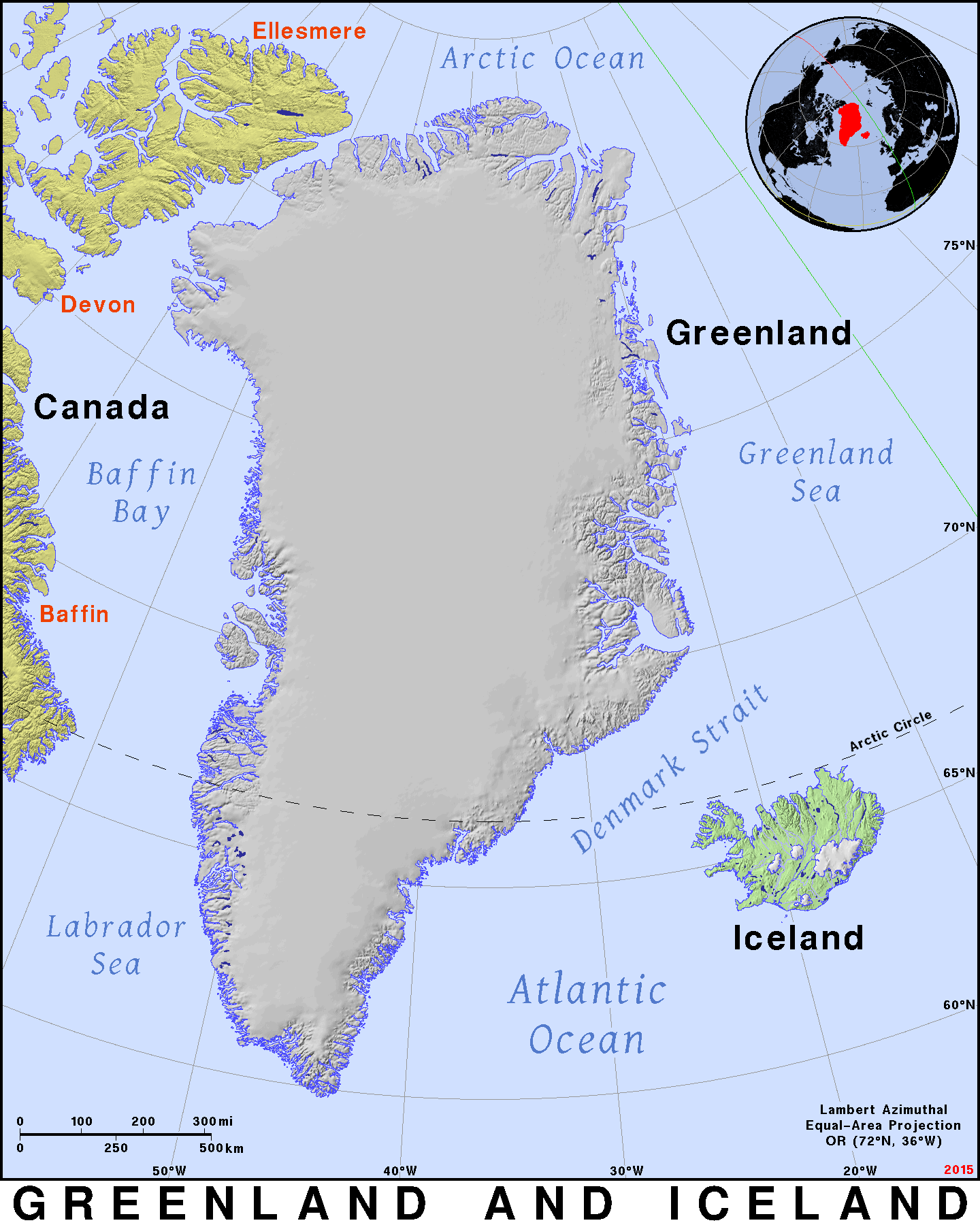
Both Greenland and Iceland are located in the North Atlantic Ocean between Canada and Europe. Greenland has an absolute location of 71.7069° N, 42.6043° W and Iceland’s is 64.9631° N, 19.0208° W, but what does that really mean? It means that they are very far north and in the middle of nowhere, surrounded by dark blue oceans and millions upon millions of icebergs. The two islands are fairly close to one another, about 300 km (186 miles), leading some people on the internet to ponder whether a polar bear can swim across the Greenland Strait (theoretically yes, practically no).
Place:
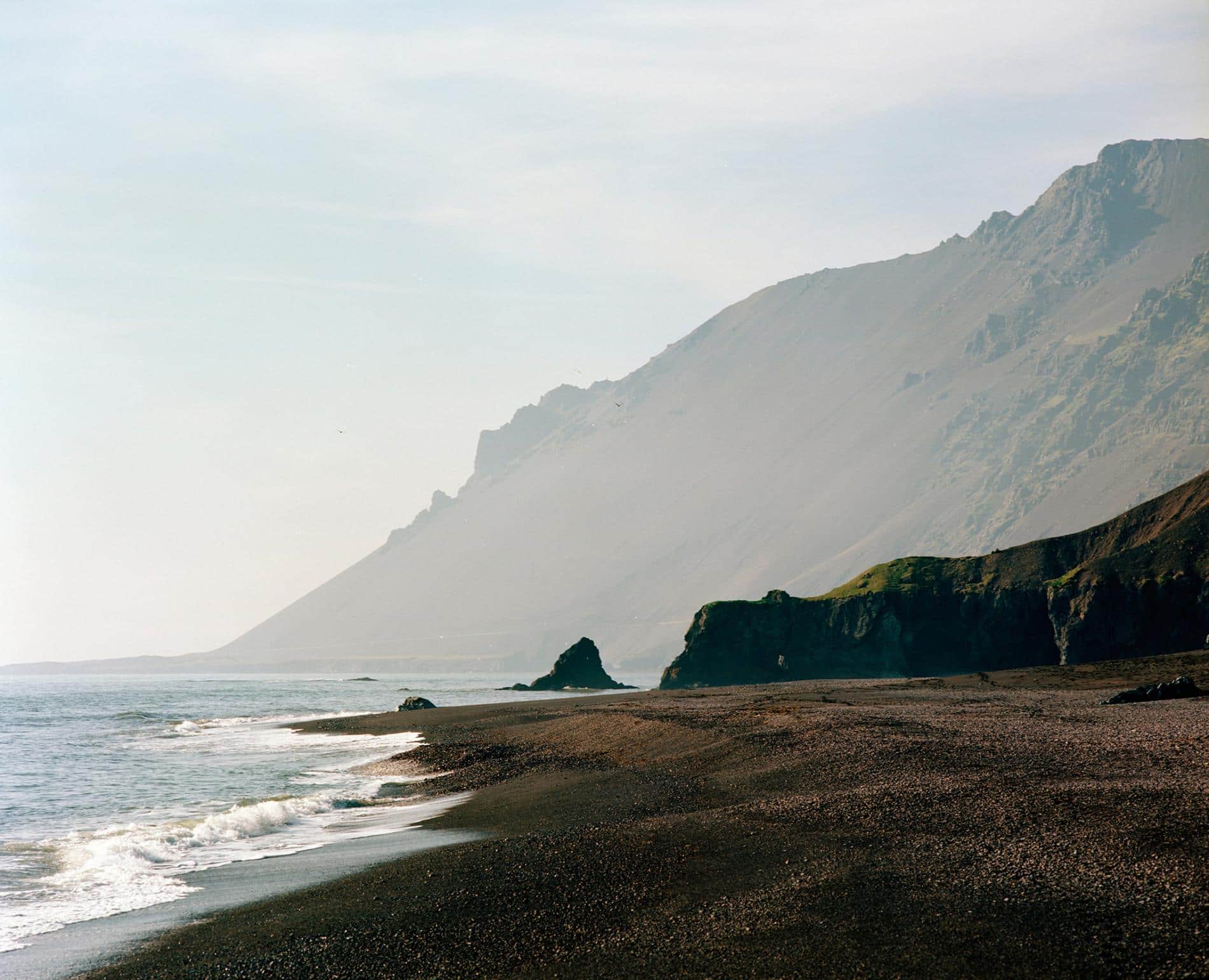
Physical: As previously mentioned, Iceland is a small Nordic island country in the North Atlantic Ocean. It has a population of about 358,000 people and an area of about 40,000 square miles. This actually makes Iceland the least densely populated country in Europe. Although small, Iceland is hosts a variety of landscapes, such as: from massive glaciers, windswept steppes, ice lagoons, and millions of towering waterfalls. As someone who has visited Iceland, I can say that there is literally a waterfall every 100 feet. The climate in Iceland is surprisingly mild, considering it is just south of the Arctic Circle, but it does have distinct seasons. Winter temperatures dip bellow freezing and there is ample snowfall around the country. Spring usually comes during April and the snow begins to melt and the plants start growing again after their long hibernation. During the summer months, anything that is not underneath a glaciers turns green and wild flowers bloom everywhere. Fall comes around October and that’s when temperatures begin to cool down again. Since the island is so far north, the during the summer months the sun sets for just a few minutes to an hour each night and it rarely ever gets fully dark. In the winter, the dazzling Aurora Borealis dances in the night sky.
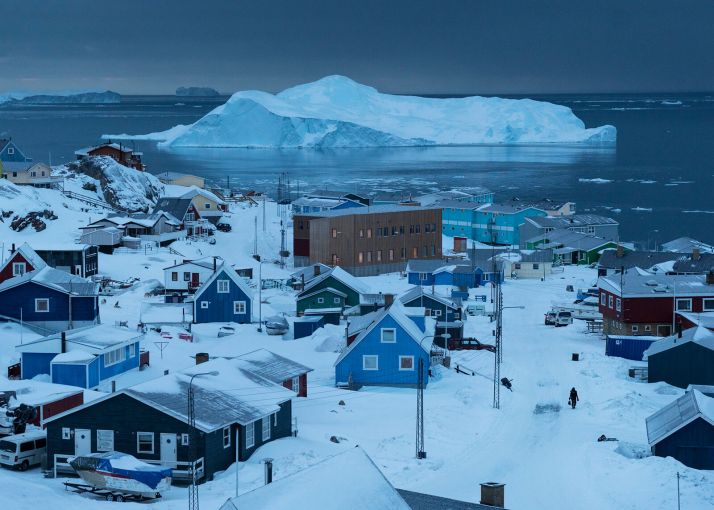
Greenland is similar to Iceland in terms of climate and geography, except it is nearly 20 times larger than Iceland with an area of 836,000 square miles. Even though Greenland is the largest island in the entire world (excluding Antarctica and Australia which are thought of as continental land masses rather than islands) it has a population of just over 56,000 people making it the least densely populated nation in the world. During the summer months, the sun never fully sets allowing the people there to enjoy 24 hours of sunshine to make up for the seemingly endless dark and cold winters.
Human: Iceland was first settled by the Norwegians in the 9th century. Over the coming centuries, other Norwegians and some others from neighboring Scandinavian countries immigrated to the island bringing with them their serfs of Gaelic origin. Iceland’s official language is Icelandic, however nearly everyone there speaks fluent English. Over two thirds of the population lives in and around the capital city of Reykjavik. Iceland has an arithmetic population density of about 3 people per square kilometer, however I was not able to find data on physiologic population density because Iceland does not grow its own crops, rather relying on import of goods and their fishing industries.
Greenland is still technically a part of Denmark and acts as an independent state. Although it is technically a part of North America, it has been culturally European since the Danish settled it. The Danes however settled on the land of the Greenlandic Inuits who today comprise 88% of the population. Greenlandic is the official language, however, Danish and English are also recognized. The massive island actually had been settled many times by different groups of people in the last 4,500 years, with the Danes securing rule over the island in the end. With Greenland’s massive area and low population it has an arithmetic density of about .13 people per square kilometer and there is no data on a physiologic population density because like Iceland, Greenland has no arable land due to the harsh climate and very short summer season.
Human-Environment Interaction:
Since Iceland is a volcanic island with many active volcanoes, it has a huge capacity for geothermal energy production. All of the energy that Iceland produces comes from the earth. Icelanders enjoy huge energy cost savings because hot geothermal water is so abundant. This form of energy also has one of the smallest carbon footprints out of all possible sources because the earth does all the work for us. Reykjavik used to run on coal and oil and thus suffered air quality problems, but once the city switched to geothermal heating, it became one of the cleanest cities in the world.
Fishing is one of the largest contributors to the Icelandic economy. It employs about 5.3% of the Icelandic work force, roughly 9,000 people. In total, the fishing industry contributed 11% to the GDP in 2012 with € 1.7 billion revenue from exported product. It is also in 19th place among leading fishing countries and contributes to about 1.2% of the world’s catch. This does not seem like much, but considering the size and population of Iceland, this is a significant amount.
Iceland has also recently experienced a huge tourism boom after Icelandic airline companies started offering cheap flights to the island. In the 2016-17 over 2 million tourists visited which was a 24% increase from the previous season.
Like Iceland, the main industry in Greenland is fishing. The primary catch are shrimps, Greenland Halibut, and cod and has fishery agreements with the EU, Faroe Islands, Norway, and Russia.
Along with fishing, hunting is an incredibly important part of everyday life for many Greenlanders. Approximately 10% of the workforce is involved in some way with the hunting industry. Whales and seals are primarily hunted (although whale hunting is regulated) for food and in the case of seals, the fur is used for clothing.
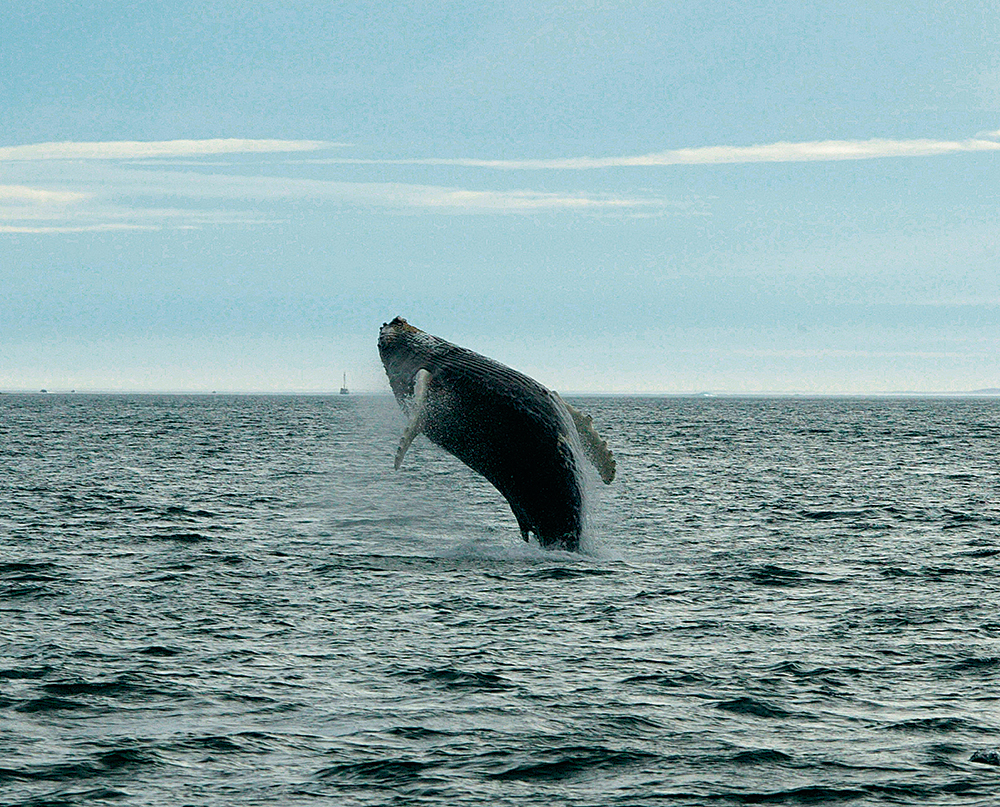
Additionally, Greenland has an incredible untapped reserve of precious metals, minerals, and oil which has attracted a lot of foreign investment. The harsh terrain and enormous ice field has caused people to overlook Greenland’s potential and turn towards more easily accessible countries, however in the coming years, Greenland’s economy might boom from the riches that lie beneath the earth.
Movement:
Both being island nations, Greenland and Iceland rely heavily on importing most products. If they both relied only on the resources that are found in their respective islands, then the quality of life would be considerably worse. Both of the islands were colonized and settled by Europeans (Greenland however has an indigenous population of Inuits). Many people still move to Iceland to lead a more peaceful life away from the humdrum of the large European cities.
One thing that absolutely does not leave Iceland is its horses. Icelandic horses are a very special pure breed of horses that has been bred on the island for hundreds and hundreds of years. Horses that leave Iceland to participate in international riding competitions are not allowed to return because they are considered no longer pure.
Region:
Greenland and Iceland are both heavily influenced by Europe. Both countries having been settled by Europeans, leaves a lasting impact on the way that life is conducted. Iceland participates in the Eurovision Song Contest every year, (although they are the only Nordic country that has never won a title). The North Atlantic is a harsh environment for any nation and the fact that both Iceland and Greenland are able to survive and even thrive in this region is a testament to the tenacity of the people.
It makes sense why Greenland and Iceland are often confused for each other considering how similar they are, but it is their differences that make them very special.
Sources:
Evans, Andrew. National Geographic, “Is Iceland Really Green and Greenland Really Icy?” 30 June 2016, https://news.nationalgeographic.com/2016/06/iceland-greenland-name-swap/. Accessed June 6th, 2019.
Ferdamalastofa. “Number of Foreign Visitors” https://www.ferdamalastofa.is/en/recearch-and-statistics/numbers-of-foreign-visitors. Accessed June 20th, 2019.
Helgason, Magnus S. “Geothermal power generates higher living standards, lower heating costs and less pollution” May 11, 2016. https://icelandmag.is/article/geothermal-power-generates-higher-living-standards-lower-heating-costs-and-less-pollution. Accessed June 21st 2019.
“Icelandic Fisheries” https://www.iceland.is/files/icelandic-fisheries-press-kit-enska-30-sept-2013.pdf. Accessed June 20th, 2019.
MacKay, Ian. PAT, “Public Domain Maps is Greenland and Iceland” https://ian.macky.net/pat/map/glis/glis.html. Accessed June 6th, 2019.
Naalakkersuisut Government of Greenland. “Economy and Industry in Greenland” https://naalakkersuisut.gl/en/About-government-of-greenland/About-Greenland/Economy-and-Industry-in-Greenland. Accessed June 20th, 2019.
World Population Review, “Greenland Population 2019” http://worldpopulationreview.com/countries/greenland-population/. Accessed June 6th, 2019.
World Population Review, “Iceland Population 2019” http://worldpopulationreview.com/countries/iceland-population/. Accessed June 6th, 2019.

 Site Title